
So about that hospice article in the New Yorker...
This was supposed to be a short, sweet happy holidays note, but alas, it's not. I need to respond to the recent ProPublica/The New Yorker magazine article "How Hospice Became a For-Profit Hustle." Don’t get me wrong, I L-O-V-E a good expose and have long been a reader of both news sources. This article and its click-bait headline, however, was a poorly executed piece far beneath those two organizations' standards.
Unfortunately, much of Ava Kofman's 9000-word article is devoted to one sensational and ultimately bizarre fraud and abuse case against a company called AseraCare. The complaint was filed nearly 14 years ago, and the article describes this and a couple of other bad-actor, sham hospices that were recruiting patients, exhausting benefits, and then dumping them after the six-month hospice allotment was over. The article fails to share key information, like:
That there are 6000 hospices, both investor-based and not-for-profit, in the US. A few fraud cases, even an address listed for 125 shell hospice businesses, are a fraction of the organizations and people doing heartfelt work to comfort the dying and bereaved.
Data and information demonstrate there are high- and poor-quality hospice organizations in both the not-for-profit and investor-based tax designations.
The target of the live-discharge from hospices (after six months or more) is not 0. The average hospice length of stay (LOS) is 93 days, an amount of time well below the 180-day allotment. The average LOS for cancer patients is 19 days.
Resources, such as CaringInfo.org and Medicare’s Care Compare program, help people determine if a hospice organization is in good standing.
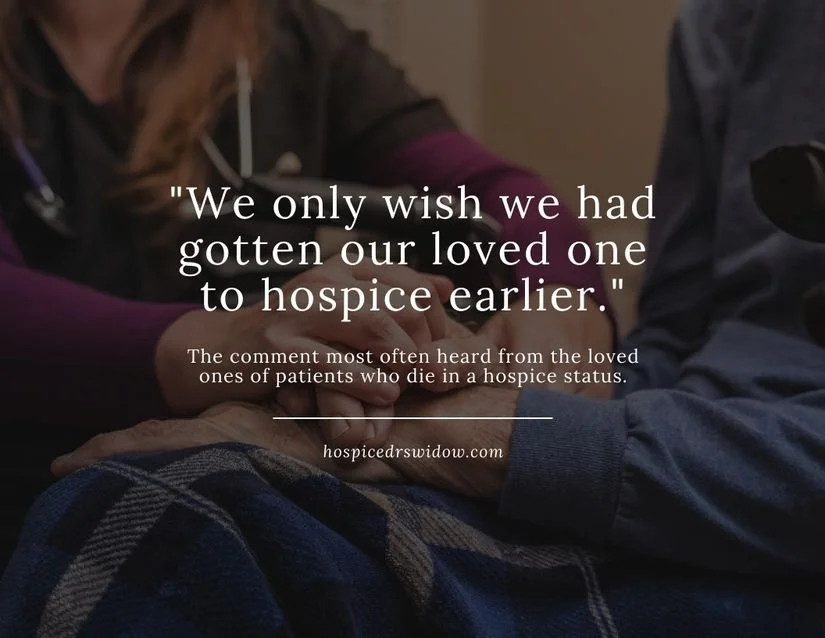
If I sound defensive, it is because I am. I worry that this imbalanced potshot will make it even more difficult for the public to understand hospice. Hospice is one of the most important and consequential social movements in healthcare in the last 50 years. The professionals and organizations who hold themselves to the highest standards are here to help when your family’s need for hospice care inevitably arises.
I have been in the healthcare industry for 35 years and am the first to admit that major shortcomings affect people’s lives and deaths. If you read The New Yorker article, please focus on the last 1500 words, which only scratches the surface of some of the challenges that very much exist in healthcare and end-of-life care in the United States. It mentions how:
The hospice benefit imposes a dichotomy between caring for the living and caring for the dying, yet these two are largely indistinguishable.
Upon considering the details and entirety of the situations the ill and elderly find themselves in, we see that some problems classified as hospice fraud are really problems of our grossly inadequate long-term care system.
In the 70s, when hospice started, it focused mainly on cancer patients. Hospice needs were acute and pretty much limited to six months on the outside. Now, people have chronic conditions and comorbidities that can be managed for years, even decades, before death and need substantially more in-home healthcare and support.
Society doesn’t really want to face these issues because they remind us of our own ultimate demise and death, so we just ignore and avoid them until something so egregious happens that we must take action.
I wish that Ms. Kofman, ProPublica, and The New Yorker had put as much effort and resources into the whole article as they did in that last bit of the piece. This is where the real issues and opportunities lie.
Thanks so much for reading this. I hope you and yours enjoy the comfort and an abundance of love this season.